
Legionella Risk Assessment for Landlords: A Comprehensive Guide
Legionella risk assessment templates, guidance notes, and review templates are crucial for landlords, ensuring compliance with regulations like the 2022 Short-term Lets Order.
These PDF forms aid in evaluating water systems, documenting temperature checks, and identifying potential risks, while also emphasizing tenant education regarding Legionella.
Utilizing a structured template helps landlords record system components, materials, and risk levels, facilitating a thorough and legally sound assessment of their properties.
Understanding Legionella and Legionnaires’ Disease
Legionella bacteria, the source of concern for landlords utilizing a risk assessment form, are naturally found in freshwater environments. However, they become hazardous when they enter human systems through water droplets – such as from showers, taps, or air conditioning units. This can lead to Legionnaires’ disease, a severe form of pneumonia.
The disease presents with flu-like symptoms, including cough, fever, muscle aches, and headache, potentially escalating to a life-threatening respiratory illness. Understanding this pathway is vital when completing a landlord’s Legionella risk assessment (PDF), as it highlights the importance of controlling water temperature and preventing stagnation.
The Civic Government (Scotland) Act 1982 underscores the seriousness of this risk, particularly within rented properties. A comprehensive assessment, documented using a suitable form, isn’t merely a legal requirement but a crucial step in protecting tenant health and well-being. Proper identification of potential breeding grounds is key.
The Legal Duty of Landlords
Landlords have a clear legal duty to ensure the safety of their tenants, and this extends to managing the risk of exposure to Legionella bacteria. The Civic Government (Scotland) Act 1982, specifically the 2022 Short-term Lets Order, places responsibilities on property owners, regardless of water supply source – Scottish Water or private systems.
Completing a Legionella risk assessment (PDF) isn’t optional; it’s a legal requirement demonstrating due diligence. Landlords must be ‘competent’ to assess the water systems, meaning they possess the knowledge to identify potential hazards and implement control measures. If competence is lacking, a specialist assessment is necessary.
Failure to comply can result in penalties and, more importantly, puts tenants at risk. A documented assessment, utilizing a standardized form, provides evidence of compliance and a proactive approach to tenant safety. This demonstrates responsible property management and adherence to legal obligations.
Scope of the Risk Assessment
The scope of a Legionella risk assessment, documented via a comprehensive PDF form, must cover all potential water outlets within a rental property. This includes hot and cold water systems, showers, taps, and any appliances connected to the water supply, like washing machines or dishwashers.
The assessment should extend to cold water storage tanks, identifying potential for stagnation and biofilm growth. Boiler and heating systems also fall within the scope, requiring examination for appropriate temperature control. Particular attention should be paid to infrequently used outlets – ‘dead legs’ – where bacteria can proliferate.
A thorough risk assessment form guides landlords through a systematic review of these components, prompting detailed recording of temperatures, materials, and potential hazards. The goal is to identify and evaluate all areas where Legionella could grow and spread.
Identifying Potential Risks in Rental Properties
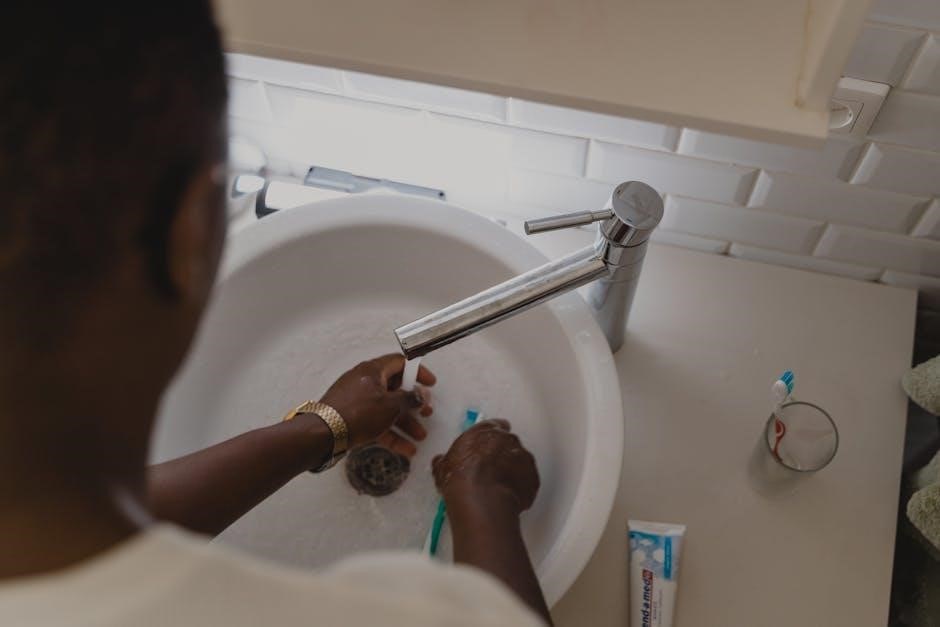
Landlords utilize PDF risk assessment forms to pinpoint hazards within water systems, including stagnation, low temperatures, and biofilm formation, ensuring tenant safety.
These forms guide inspection of tanks, showers, and outlets, revealing potential Legionella growth areas needing mitigation and careful documentation.
Water System Types and Their Risks
Landlords employing a Legionella risk assessment form (PDF) must differentiate between various water systems to accurately gauge potential hazards. Simple systems, like those in individual flats with direct water feeds, generally pose lower risks if maintained correctly.
However, complex systems – found in larger properties or those with shared pipework – demand heightened scrutiny. These include cold water storage tanks, which can harbor bacteria, and hot water systems susceptible to temperature fluctuations.
The PDF form prompts assessment of shower systems, particularly those with spray nozzles, and infrequently used outlets, known as ‘dead legs’, where stagnation promotes growth. Understanding the system type dictates the thoroughness of inspection and the control measures required, as detailed within the completed assessment.
Furthermore, the form aids in identifying potential risks associated with spa pools or hot tubs, if present, requiring specific attention due to their warm, aerosol-generating nature.
Potential Sources of Legionella Growth
A comprehensive Legionella risk assessment form (PDF) guides landlords to pinpoint areas conducive to bacterial proliferation. Stagnant water is a primary concern; infrequently used taps, showerheads, and pipework ‘dead legs’ provide ideal breeding grounds.
Biofilm – a slimy layer inside pipes – harbors Legionella, and the PDF prompts inspection for its presence. Scale and rust within pipework also contribute to growth, necessitating examination of water tanks and heating systems.
Low water temperatures (below 20°C) and inconsistent hot water delivery (below 60°C) are critical risk factors highlighted on the form. Aerosol-producing devices, like showerheads and spa jets, disseminate contaminated water, increasing exposure;
The form also encourages noting connections to outdoor water sources or features, as these can introduce contaminants. Thorough documentation of these potential sources is vital for effective control measures.
High-Risk Areas Requiring Focused Assessment
The Legionella risk assessment form (PDF) emphasizes prioritizing specific areas within rental properties. Showers and taps are flagged as high-risk due to aerosol production, demanding detailed inspection of showerheads for biofilm and scale.
Hot and cold water storage tanks require meticulous examination, focusing on sediment build-up, temperature consistency, and the integrity of lids to prevent contamination. Complex plumbing systems, particularly those with ‘dead legs’, necessitate careful scrutiny.
Properties with spa pools or hot tubs are considered high-risk, requiring assessment of disinfection procedures and water quality. Infrequently occupied properties, like holiday lets, demand heightened attention due to potential water stagnation.
The PDF guides landlords to identify and document these areas, assigning appropriate risk levels and outlining targeted control measures to mitigate potential Legionella exposure.
Conducting the Risk Assessment: A Step-by-Step Approach
Utilizing a Legionella risk assessment form (PDF) guides landlords through surveys, temperature checks, and system inspections for a comprehensive evaluation.
This structured process ensures thorough identification of potential hazards and appropriate control measure implementation within rental properties.
Initial Property Survey and System Overview
Landlords initiating a Legionella risk assessment, utilizing a detailed PDF form, must begin with a comprehensive property survey.
This initial step involves meticulously mapping all water systems – hot and cold – within the rental property, noting pipework materials (copper, plastic, etc.) and identifying the location of all outlets.
The assessment form prompts documentation of water tanks (including cold water storage), boilers, and any potential dead legs or infrequently used taps.
Crucially, the survey should also identify appliances connected to the water system, such as washing machines or dishwashers, and any features like showers or spa pools.
A clear system overview, recorded on the PDF, establishes a baseline for subsequent temperature checks and risk identification, ensuring a focused and effective assessment.
Temperature Checks: Hot and Cold Water Systems
The Legionella risk assessment PDF form places significant emphasis on accurate temperature monitoring of both hot and cold water systems.
Landlords must record temperatures at the outlet closest to the hot water source and at the furthest point, ensuring representative readings are obtained.
The form guides recording of hot water temperatures, ideally above 50°C (122°F) at the source and above 55°C (131°F) at the furthest outlet, to mitigate Legionella growth.
Cold water temperatures should be consistently below 20°C (68°F) to prevent bacterial proliferation.
Consistent documentation of these readings, using the form’s designated sections, is vital for demonstrating due diligence and identifying potential temperature control issues requiring remediation.
Inspection of Water Tanks (Cold Water Storage)
The Legionella risk assessment form (PDF) dedicates a specific section to the thorough inspection of cold water storage tanks, a potential breeding ground for bacteria.
Landlords are prompted to assess the tank’s condition, noting any signs of corrosion, sediment build-up, or discoloration, which can harbor Legionella.
The form guides documentation of the tank’s lid – ensuring it’s secure and prevents ingress of contaminants – and the presence of appropriate warning labels.
It also requires recording details about the tank’s insulation, preventing condensation and temperature fluctuations.
Detailed notes on water quality, including any unusual odors or tastes, are crucial, alongside observations about the condition of inlet and outlet pipes, ensuring a comprehensive record for risk mitigation.
Boiler and Heating System Examination
The Legionella risk assessment form (PDF) includes a dedicated section for examining the boiler and overall heating system, vital for identifying potential risks.
Landlords must document the boiler’s age, service history, and any visible signs of corrosion or damage, impacting water heating efficiency and safety.
The form prompts recording of the boiler’s operating temperature, ensuring it reaches a sufficient level to kill Legionella bacteria – typically above 60°C.
It also requires assessment of the heating system’s circulation, identifying ‘dead legs’ – unused pipework where stagnant water can promote bacterial growth.
Detailed notes on the system’s pressure relief valve and any associated pipework are essential, alongside observations about the overall cleanliness and maintenance of the system.
Shower and Tap Outlet Inspections
The Legionella risk assessment form (PDF) emphasizes thorough inspection of all shower and tap outlets within the rental property, crucial for identifying potential hazards.
Landlords should document the condition of showerheads, noting any build-up of limescale or biofilm, which can harbor Legionella bacteria and reduce water flow.
The form prompts recording of water temperature at the outlet, verifying it consistently reaches a safe level – above 50°C – to minimize bacterial growth.
Assessments should include checking for loose fittings or damaged taps, which can create stagnant water pockets and increase the risk of contamination.
Particular attention must be paid to infrequently used outlets, as these are more prone to stagnation; the form guides documenting flushing procedures for these areas.
Documenting the Assessment: The Legionella Risk Assessment Form
Landlords utilize PDF risk assessment forms to meticulously record findings, including water temperatures, system components, and identified hazards, ensuring legal compliance.
These forms guide the rating of risk levels, facilitating a structured approach to Legionella control and comprehensive property documentation.
Key Sections of a Landlord’s Legionella Risk Assessment Form (PDF)
A comprehensive Legionella risk assessment form, typically in PDF format, is structured to guide landlords through a systematic evaluation of their property’s water systems. Key sections begin with property details – address, type, and occupancy information. Crucially, it includes a detailed system overview, mapping all water outlets and storage components.
The form then focuses on temperature recording sections for both hot and cold water, requiring specific readings at various points. Inspection checklists cover boilers, cold water storage tanks, and shower/tap outlets, prompting assessment of condition and potential stagnation. A dedicated area identifies ‘dead legs’ – unused pipework – and connected appliances.
Risk level identification is a core component, utilizing a scoring system to categorize potential hazards. Finally, the form includes space to document control measures implemented, review dates, and assessor competency, ensuring a complete and auditable record. These forms are vital for demonstrating due diligence.
Recording Water Temperature Readings
The Legionella risk assessment form (PDF) dedicates significant space to meticulously recording water temperatures, a critical step in identifying potential risks. Specifically, the form prompts landlords to document temperatures at the point of outlet – taps, showers, and sinks – for both hot and cold water systems.
Hot water temperatures should be recorded as close to the tap as possible, verifying they consistently reach above 50°C (122°F) to effectively kill Legionella bacteria. Cold water temperatures are also noted, aiming for below 20°C (68°F) to minimize bacterial growth.
The form typically includes columns for date, time, location, and temperature readings, allowing for trend analysis. Regular recording – and documentation – demonstrates proactive monitoring and helps identify any temperature fluctuations requiring immediate attention and corrective action. Accurate records are essential for compliance.
Documenting System Components and Materials
A comprehensive Legionella risk assessment form (PDF) requires detailed documentation of all water system components and materials within the rental property. This includes identifying the type of water system – direct or indirect – and listing all connected appliances like washing machines, dishwashers, and showers.
The form prompts landlords to specify the materials used in the piping (e.g., copper, plastic) and the construction of cold water storage tanks. Noting the presence of “dead legs” – unused pipework – is crucial, as these can harbor stagnant water and promote bacterial growth.
Detailed records of boiler type, age, and maintenance history are also essential. Accurate documentation allows for a thorough understanding of the system’s vulnerabilities and informs appropriate control measures, ensuring a safe water environment for tenants.
Identifying and Rating Risk Levels
The Legionella risk assessment form (PDF) guides landlords in systematically identifying potential hazards within the water system. This involves evaluating factors like water temperature, stagnation risks, and the susceptibility of occupants. The form typically includes a section for rating the likelihood and severity of Legionella growth.
A common approach utilizes a numerical scale – for example, 1 to 10 – where lower numbers indicate lower risk and higher numbers signify a significant hazard. Considerations include the age and health of tenants, as well as the frequency of water outlet use.
Accurate risk level assessment is vital for prioritizing control measures. Higher-risk areas demand immediate attention, while lower-risk areas may require less frequent monitoring, ensuring a proportionate and effective safety strategy.
Control Measures and Mitigation Strategies
Landlords utilize the risk assessment form (PDF) to document control measures like flushing infrequently used outlets, maintaining proper temperatures, and, if needed, water disinfection.
These strategies, guided by the form’s findings, minimize Legionella growth and protect tenant health, ensuring regulatory compliance and responsible property management.
Flushing Procedures for Infrequently Used Outlets
The Legionella risk assessment form (PDF) emphasizes regular flushing of outlets unused for extended periods, a critical control measure. Stagnant water fosters bacterial growth, increasing Legionella risks.
Landlords should meticulously record flushing frequency and duration on the form. Guidelines typically recommend flushing all outlets for several minutes, ensuring complete water turnover. This procedure dislodges biofilm where bacteria colonize.
The form prompts documentation of outlets identified as infrequently used – such as guest bathroom taps or showerheads in vacant properties. A schedule for flushing these points should be established and consistently followed.
Proper flushing, documented via the risk assessment form, demonstrates due diligence and minimizes potential hazards, protecting tenants and fulfilling legal obligations. Consistent record-keeping is paramount.
Temperature Control and Maintenance
The Legionella risk assessment form (PDF) places significant emphasis on maintaining appropriate water temperatures. Hot water systems must consistently reach 60°C (140°F) at the outlet to kill Legionella bacteria.
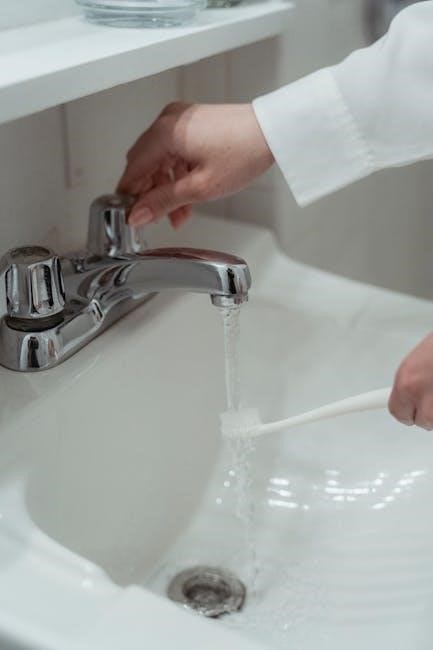
Landlords must record regular temperature checks on the form, documenting readings from various points within the system. Cold water should remain below 20°C (68°F) to inhibit bacterial growth. Deviations require immediate attention.
The form prompts documentation of boiler settings, thermostat functionality, and any temperature control failures. Regular maintenance, including boiler servicing, is crucial and should be recorded.
Consistent temperature monitoring and prompt maintenance, as evidenced by the completed risk assessment form, demonstrate a proactive approach to Legionella control, safeguarding tenants and ensuring compliance.
Water Softening and Disinfection (If Applicable)
The Legionella risk assessment form (PDF) includes a section to detail any water softening or disinfection systems present. While not always necessary, these systems can impact Legionella control.
If a water softener is installed, the form requires documentation of its type, maintenance schedule, and salt levels. Improperly maintained softeners can create conditions favorable for bacterial growth.
For disinfection systems – such as chlorine dosing – the form necessitates recording dosage levels, monitoring frequency, and compliance with water quality standards. Accurate records are vital.
The completed form should clearly state whether such systems are in use, and if so, demonstrate a robust monitoring and maintenance regime. This section confirms a comprehensive approach to water safety, beyond basic temperature control.
Review and Monitoring
The Legionella risk assessment form (PDF) emphasizes regular review and meticulous record-keeping, alongside tenant communication, to ensure ongoing water safety compliance.
Consistent documentation of assessments, temperatures, and control measures is vital, demonstrating proactive management and adherence to legal requirements for landlords.
Regular Review of the Risk Assessment
Landlords utilizing a Legionella risk assessment form (PDF) must understand that the initial assessment isn’t a one-time task. The document itself highlights the necessity for periodic reviews, ensuring the continued accuracy and effectiveness of control measures.
These reviews should occur regularly – at least annually, or more frequently if there are changes to the water system, property usage, or identified risks. Changes could include new plumbing installations, alterations to hot/cold water temperatures, or periods of prolonged inactivity (like during winter months or between tenants).
The PDF form facilitates this process by providing a structured record of previous findings, allowing landlords to easily compare current conditions against historical data. Documenting the review date, reviewer’s name, and any modifications made to the assessment is crucial for demonstrating due diligence and compliance with regulations. A consistent review process, guided by the form, protects both tenants and landlords.
Record Keeping and Documentation Requirements
Proper record keeping is paramount when utilizing a Legionella risk assessment form (PDF). The completed form itself serves as a key document, demonstrating a landlord’s compliance with their legal duties. It’s not enough to simply conduct the assessment; you must retain evidence of it.
This includes keeping the original completed PDF, along with any supporting documentation such as temperature readings, inspection reports, and records of any remedial actions taken. These records should be readily accessible and stored securely for a minimum of five years, potentially longer depending on local regulations.
Detailed documentation, facilitated by the form’s structured layout, proves due diligence in the event of an investigation or claim. Maintaining a clear audit trail – showing when assessments were conducted, by whom, and what actions were taken – is essential for protecting both tenants and the landlord.
Tenant Education and Communication
While the Legionella risk assessment form (PDF) primarily focuses on landlord responsibilities, tenant awareness is a crucial supplementary element. Communicating key findings and preventative measures to tenants fosters a safer environment and demonstrates responsible property management.
Inform tenants about the potential risks of Legionella and encourage them to report any concerns regarding water quality or unusual symptoms, such as flu-like illness. Explain any actions they can take to minimize risk, like flushing infrequently used taps.
Although tenants aren’t responsible for conducting the assessment, understanding the process and the landlord’s commitment to water safety builds trust. Providing a summary of the assessment findings, in plain language, can be beneficial. Clear communication, alongside diligent record-keeping, is vital.
Competency and When to Seek Professional Help
Landlords can perform simple assessments using a Legionella risk assessment form (PDF) for single dwellings, but specialist help is vital for complex systems.
Competency is key; if unsure, a professional ensures thorough evaluation and compliance with regulations, safeguarding both tenants and the property.
Landlord Competency for Simple Assessments
For single-dwelling properties with straightforward water systems, landlords can often competently conduct a Legionella risk assessment themselves, utilizing a readily available Legionella risk assessment form (PDF) as a guide.
This self-assessment hinges on a solid understanding of basic water system types and potential Legionella breeding grounds. The landlord must be capable of accurately recording water temperatures, identifying potential risks like dead legs, and documenting system components.
Successfully completing the PDF form requires familiarity with the control measures outlined within it – flushing procedures, temperature maintenance, and recognizing when a system deviates from normal operation. However, this competency is limited to simpler setups; more complex systems necessitate professional expertise.
Essentially, the landlord’s ability to interpret the form and implement appropriate controls is paramount for a valid self-assessment.
When a Specialist Legionella Risk Assessment is Necessary
A specialist Legionella risk assessment becomes crucial when a property’s water system exceeds the scope of a landlord’s competency, even with a detailed Legionella risk assessment form (PDF) in hand.
Complex systems – those with multiple outlets, hot and cold water mixing loops, or serving multiple occupants – demand expert evaluation. Properties with spa pools, hot tubs, or complex heating systems also require specialist attention.
Furthermore, if the initial self-assessment, documented on the PDF form, reveals significant risks or uncertainties, a professional is essential. This includes identifying unusual water conditions or a history of water system issues.
Ultimately, prioritizing safety and legal compliance necessitates engaging a qualified professional to conduct a thorough assessment and implement appropriate control measures when the landlord lacks the necessary expertise.