
Guide to Computer Forensics and Investigations 6th edition, covers computing investigations, preparing a computer investigation, and understanding data recovery.

Understanding the Importance of Computer Forensics
The Guide to Computer Forensics and Investigations 6th edition emphasizes the significance of computer forensics in investigations, highlighting its role in recovering and analyzing digital evidence.
Computer forensics is crucial in criminal investigations, cybersecurity breaches, and intellectual property theft.
It involves technical expertise and attention to detail to ensure the integrity of digital evidence.
The importance of computer forensics cannot be overstated, as it plays a vital role in bringing criminals to justice and protecting individuals and organizations from cyber threats.
The Guide to Computer Forensics and Investigations 6th edition provides a comprehensive overview of computer forensics and its applications in investigations.
It covers the fundamentals of computer forensics, including data recovery, digital evidence analysis, and investigative techniques.
The guide also discusses the importance of computer forensics in various contexts, including law enforcement, private investigations, and corporate security.
Overall, the Guide to Computer Forensics and Investigations 6th edition is a valuable resource for anyone interested in computer forensics and its applications in investigations.
Overview of the Guide to Computer Forensics and Investigations 6th Edition
The Guide to Computer Forensics and Investigations 6th Edition is a comprehensive resource that provides an in-depth look at computer forensics and investigations. This edition includes updated information on latest technologies and techniques used in computer forensics. The guide is divided into modules that cover topics such as understanding computing investigations, preparing a computer investigation, and understanding data recovery workstations and software. The guide also includes hands-on projects and case projects to help readers apply their knowledge and skills. Additionally, the guide provides key terms and review questions to help readers assess their understanding of the material. Overall, the Guide to Computer Forensics and Investigations 6th Edition is a valuable resource for anyone interested in computer forensics and investigations. The guide is available in various formats, including print and digital editions. The digital edition includes interactive features and multimedia content to enhance the learning experience.

Preparing for a Computer Investigation
Guide to Computer Forensics covers preparing a computer investigation, including procedures and checklists to ensure a successful investigation.
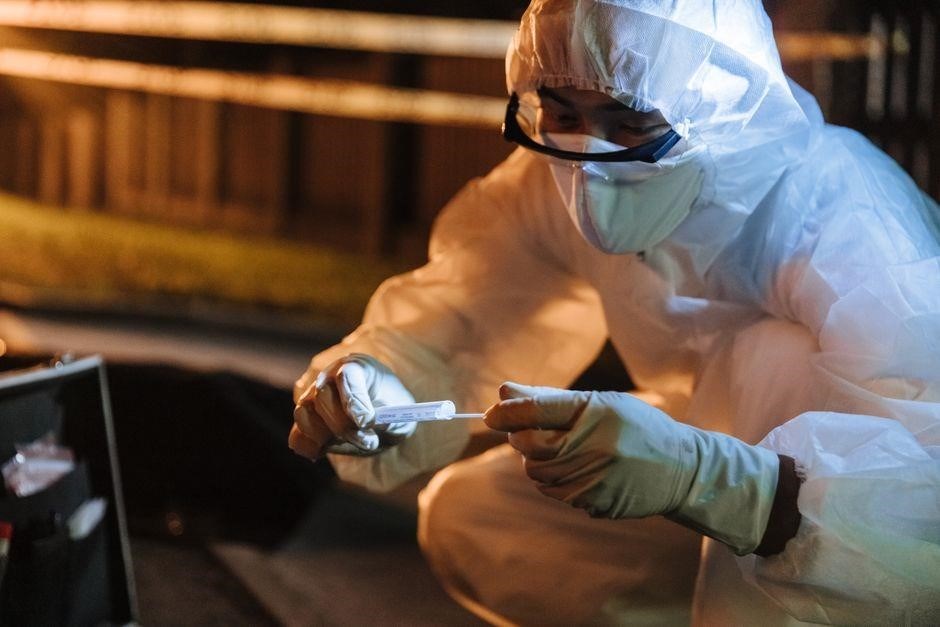
Taking a Systematic Approach to Computer Investigations
A systematic approach to computer investigations is crucial, involving planning, execution, and documentation. This approach ensures that all aspects of the investigation are thoroughly covered, and that evidence is handled properly.
By following a structured methodology, investigators can ensure that their investigation is comprehensive and thorough, and that all potential leads are pursued.
This approach also helps to ensure that the investigation is conducted efficiently and effectively, with minimal disruption to the organization.
A systematic approach to computer investigations is essential for ensuring that investigations are successful and that justice is served.
It involves identifying and preserving evidence, analyzing data, and presenting findings in a clear and concise manner.
By taking a systematic approach to computer investigations, organizations can help to ensure that their investigations are thorough, efficient, and effective.
This approach is critical in today’s digital age, where cybercrime is becoming increasingly prevalent.
By using a systematic approach to computer investigations, organizations can help to stay one step ahead of cybercriminals and protect their assets and reputation.
It is essential for organizations to have a well-planned and well-executed investigation strategy in place to ensure that they can respond quickly and effectively to any security incident.
A systematic approach to computer investigations is vital for ensuring that organizations can identify, contain, and eradicate threats quickly and efficiently.
By taking a proactive approach to computer investigations, organizations can help to prevent cybercrime and protect their assets and reputation.
It is critical for organizations to have a deep understanding of the latest threats and vulnerabilities to ensure that they can respond quickly and effectively to any security incident.
A systematic approach to computer investigations is essential for ensuring that organizations can stay ahead of the threats and protect their assets and reputation.
Procedures for Corporate High-Tech Investigations
Corporate high-tech investigations require specialized procedures to ensure that evidence is handled properly and that investigations are conducted efficiently and effectively.
These procedures include identifying and preserving electronic evidence, conducting interviews and interrogations, and analyzing data to identify patterns and trends.
Corporate high-tech investigations also require a deep understanding of computer systems and networks, as well as knowledge of cybercrime and digital forensics.
By following established procedures for corporate high-tech investigations, organizations can help to ensure that their investigations are thorough, efficient, and effective.
This includes developing a comprehensive investigation plan, identifying and assigning roles and responsibilities, and establishing communication and coordination protocols.
By using specialized tools and techniques, corporate high-tech investigations can help to identify and mitigate risks, protect assets, and prevent future incidents.
It is essential for organizations to have a well-planned and well-executed investigation strategy in place to ensure that they can respond quickly and effectively to any security incident.

Computer Forensics Lab and Equipment
A computer forensics lab requires specialized equipment, including workstations and software to analyze evidence.

Understanding Forensics Lab Certification Requirements
To establish a credible forensics lab, it’s essential to understand the certification requirements. This involves meeting specific standards and guidelines to ensure the integrity and reliability of the evidence analyzed.
Lab certification typically requires a thorough assessment of the lab’s procedures, equipment, and personnel.
The certification process may involve an on-site evaluation by an accrediting agency, as well as a review of the lab’s quality control procedures and chain of custody protocols.
By understanding the certification requirements, labs can ensure they are meeting the necessary standards to provide reliable and admissible evidence in legal proceedings;
This is crucial in the field of computer forensics, where the integrity of digital evidence is paramount.
Furthermore, certification can help labs demonstrate their competence and credibility, which can be essential in building trust with clients and stakeholders.
Overall, understanding forensics lab certification requirements is critical for any organization seeking to establish a reputable and effective forensics lab.
Determining the Physical Requirements for a Computer Forensics Lab
To establish a functional computer forensics lab, it’s crucial to determine the physical requirements. This includes space planning, equipment layout, and security measures.
A dedicated lab space with controlled access is essential to prevent contamination and unauthorized access to evidence.
The lab should be equipped with specialized workstations, storage systems, and network infrastructure to support forensic analysis.
Additionally, power supply, climate control, and fire suppression systems should be installed to ensure the safety and reliability of the lab.
It’s also important to consider ergonomic factors, such as comfortable seating and adequate lighting, to promote productivity and accuracy among lab personnel.
By carefully planning the physical requirements of the lab, organizations can create an efficient and effective space for computer forensics investigations.
This involves collaboration with experts from various fields, including architecture, engineering, and computer science, to ensure the lab meets the necessary standards and regulations.
Ultimately, a well-designed computer forensics lab is critical for supporting successful investigations and prosecutions.

Conducting an Investigation
Guide to Computer Forensics and Investigations 6th edition, covers conducting a thorough investigation, including gathering evidence and analyzing data to build a case.
Understanding Data Recovery Workstations and Software
The Guide to Computer Forensics and Investigations 6th edition provides an overview of data recovery workstations and software, including hardware and software requirements, installation and configuration, and troubleshooting techniques.
Key concepts include data acquisition, data analysis, and data recovery using various tools and techniques, such as EnCase, FTK, and Autopsy.
Additionally, the guide covers best practices for data recovery and investigations, including chain of custody, evidence handling, and reporting.
The guide also provides hands-on exercises and case studies to help students and practitioners understand the concepts and apply them in real-world scenarios, using various software and hardware tools.
The guide is an essential resource for anyone involved in computer forensics and investigations, providing a comprehensive and practical approach to data recovery and analysis.
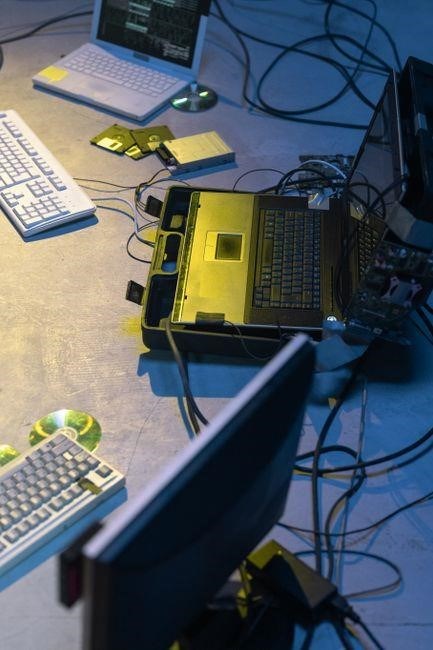
Completing the Case and Chapter Summary
The Guide to Computer Forensics and Investigations 6th edition provides a comprehensive summary of each chapter, highlighting key concepts and takeaways. Students and practitioners can use the summary to review and reinforce their understanding of computer forensics and investigations. The guide also includes case studies and scenarios to help illustrate the concepts and make them more accessible. By completing the case and reviewing the chapter summary, readers can gain a deeper understanding of computer forensics and investigations and be better prepared to apply their knowledge in real-world scenarios, using various tools and techniques to analyze and present their findings. The guide is an essential resource for anyone involved in computer forensics and investigations, providing a clear and concise approach to completing the case and reviewing the chapter summary.

Key Concepts and Review
The Guide covers key concepts and provides a review of computer forensics and investigations, including terminology and procedures.
Key Terms and Review Questions
The Guide to Computer Forensics and Investigations 6th edition includes key terms and review questions to help students understand computer forensics concepts, such as digital evidence, investigation procedures, and lab certification.
- Understanding computer forensics terminology
- Reviewing investigation procedures
These key terms and review questions are essential for computer forensics students to master, and are covered in the Guide to Computer Forensics and Investigations 6th edition.
By using this guide, students can gain a deeper understanding of computer forensics and be better prepared for investigations and lab work.

The review questions also help students to assess their knowledge and identify areas where they need more practice or review.
Overall, the key terms and review questions in the Guide to Computer Forensics and Investigations 6th edition are a valuable resource for students of computer forensics.
Hands-on Projects and Case Projects
The Guide to Computer Forensics and Investigations 6th edition includes hands-on projects and case projects to help students apply computer forensics concepts to real-world scenarios.
- Practical experience with forensics tools
- Analysis of case studies
These projects allow students to demonstrate their understanding of computer forensics and investigations, and to develop their skills in a hands-on environment. Students can work on projects that simulate real-world investigations, and apply their knowledge of computer forensics to solve problems.
The hands-on projects and case projects in the Guide to Computer Forensics and Investigations 6th edition provide students with a comprehensive learning experience, and help them to prepare for careers in computer forensics and investigations.