
Low Glycemic Index Food List: A Comprehensive Guide
Navigating dietary choices for stable blood sugar requires a detailed understanding of the glycemic index (GI) and glycemic load (GL) of foods․
This guide provides a comprehensive overview, referencing resources like the Linus Pauling Institute and international tables for informed meal planning․
Understanding Glycemic Index (GI)
The Glycemic Index (GI) is a ranking system for carbohydrates based on their immediate effect on blood glucose levels․ It measures how quickly a food causes blood sugar to rise compared to a standard, like pure glucose or white bread․
Determining a food’s GI involves testing healthy volunteers with 50 grams of the food’s carbohydrate and comparing the resulting blood sugar response to the control food․ Foods are categorized as low, medium, or high GI․
Understanding the GI is crucial for managing blood sugar, particularly for individuals with diabetes․ Resources like the Linus Pauling Institute offer detailed information and tables of GI values for various foods, aiding in informed dietary choices․
However, GI alone doesn’t tell the whole story; glycemic load (GL) provides a more complete picture․
What is Glycemic Index?
The Glycemic Index (GI) represents a numerical value assigned to foods containing carbohydrates, indicating their rate of impact on blood glucose levels after consumption․ It’s a relative ranking, using glucose as a reference point with a GI of 100․
Essentially, GI quantifies how quickly a carbohydrate-containing food raises blood sugar․ The process involves feeding healthy volunteers a specific amount of carbohydrate (typically 50g) from the test food and monitoring their glucose response over two hours․
This response is then compared to that of a standard carbohydrate source․ Understanding the GI allows individuals to make informed food choices to manage blood sugar levels effectively, as highlighted by resources like the Linus Pauling Institute․
It’s a valuable tool, but should be considered alongside other factors like glycemic load․
GI Scale and Food Categories
The Glycemic Index (GI) scale categorizes foods based on their impact on blood glucose, providing a practical framework for dietary choices․ Foods are broadly classified into three categories: Low, Medium, and High GI․
Low GI foods have a GI of 55 or less, causing a slower and more gradual rise in blood sugar․ Medium GI foods range from 56 to 69, offering a moderate impact․
Foods with a GI of 70 or more are considered High GI, leading to a rapid increase in blood glucose levels․
These classifications, as noted by the Linus Pauling Institute, help individuals select foods that support stable energy levels and blood sugar control․ Remember that individual responses can vary․
Low GI Foods (55 or less)
A diverse range of foods fall into the Low GI category (55 or less), offering excellent choices for blood sugar management․ These include most non-starchy vegetables like leafy greens – spinach, kale, and lettuce – alongside broccoli and cauliflower․
Certain fruits, such as berries (strawberries, blueberries, raspberries), apples, pears, and cherries, also boast a low GI․
Regarding grains and starches, quinoa, steel-cut or rolled oats, and barley are beneficial options․
Furthermore, lean proteins (chicken, turkey, fish), legumes (beans, lentils), nuts, seeds, and healthy fats like avocado and olive oil have minimal impact on GI, complementing a low GI diet․

Medium GI Foods (56-69)
Foods with a Glycemic Index between 56 and 69 are considered to have a moderate impact on blood glucose levels․ While not as ideal as low GI options, they can be included in a balanced diet with mindful portion control․
Examples of medium GI foods include certain varieties of rice, like long-grain white rice, and some whole-grain breads․
Sweet corn and some root vegetables, like potatoes (depending on preparation method), also fall into this category․
Orange juice, while providing vitamins, has a medium GI․ It’s crucial to consider the overall carbohydrate content and combine these foods with protein and healthy fats to mitigate blood sugar spikes․
High GI Foods (70 or more)
Foods boasting a Glycemic Index of 70 or higher cause a rapid and significant increase in blood glucose levels․ Frequent consumption of these foods can contribute to insulin resistance and increased risk of type 2 diabetes․
Common examples include white bread, cornflakes, white rice, and potatoes (especially mashed or baked)․
Sugary drinks like soda and fruit juice (apple juice specifically mentioned) also fall into this high GI category․
Sucrose (table sugar) and glucose are quickly absorbed, leading to a substantial glucose surge․ Limiting intake of these foods and prioritizing lower GI alternatives is essential for blood sugar management and overall health․
Glycemic Load (GL) – A More Complete Picture
While the Glycemic Index (GI) provides valuable insight, it doesn’t account for the quantity of carbohydrates consumed in a typical serving․ This is where Glycemic Load (GL) steps in, offering a more holistic assessment of a food’s impact on blood sugar․

GL considers both the GI and the carbohydrate content of a serving․ It provides a more accurate representation of how a food will affect glucose levels, as portion size significantly influences the response․
Understanding GL is crucial for effective dietary planning, especially for individuals managing diabetes or aiming for stable energy levels․ It allows for a nuanced approach beyond simply categorizing foods as “good” or “bad” based solely on GI․
Calculating Glycemic Load
Determining a food’s Glycemic Load (GL) involves a simple formula: GL = (GI x Carbohydrate Content in Grams) / 100․ This calculation provides a numerical value representing the food’s overall impact on blood glucose levels․
For example, a food with a GI of 50 and 20 grams of carbohydrates would have a GL of 10 (50 x 20 / 100)․ Researchers often utilize a standardized 50-gram carbohydrate portion when establishing a food’s GI, as noted by the Linus Pauling Institute․
Accurate carbohydrate counting is essential for precise GL calculation․ Online databases and food labels are valuable resources for obtaining this information, aiding in informed dietary choices․
Why GL is Important
Glycemic Load (GL) offers a more practical and complete assessment of a food’s effect on blood sugar than the Glycemic Index (GI) alone․ While GI indicates how quickly a food raises glucose, GL considers both the speed and the amount of carbohydrate consumed․
A food with a high GI but low carbohydrate content may have a moderate GL, making it a more sensible choice than a food with a moderate GI but high carbohydrate load;
Understanding GL is particularly crucial for individuals managing diabetes or aiming for stable energy levels․ It allows for more nuanced dietary planning, promoting better blood glucose control and overall health, as emphasized by resources like the Simple Diabetes Meal Plan․

Low GI Food List – Detailed Breakdown
Exploring specific food groups reveals numerous low-GI options, including fruits, vegetables, grains, and protein sources, aiding in balanced meal construction․
Fruits with Low Glycemic Index
Selecting fruits wisely is crucial for managing blood sugar levels․ Berries – strawberries, blueberries, and raspberries – consistently demonstrate a low GI, making them excellent choices for a healthy diet․ Apples and pears, enjoyed with their skin, offer fiber that slows sugar absorption, contributing to a lower glycemic response․
Cherries, while naturally sweet, also fall into the low GI category․ However, portion control remains important, as fruit contains natural sugars․ Remember that fruit juices, like apple juice, often have a higher GI due to the concentrated sugars and lack of fiber․ Prioritizing whole fruits over juices is generally recommended for optimal blood glucose control․
These fruits provide essential vitamins, minerals, and antioxidants, supporting overall health while minimizing impact on blood sugar․
Berries (Strawberries, Blueberries, Raspberries)
Berries – encompassing strawberries, blueberries, and raspberries – stand out as exceptional choices for individuals seeking low glycemic index foods․ Their relatively low sugar content, combined with a significant fiber presence, contributes to a slower release of glucose into the bloodstream․ This characteristic makes them ideal for maintaining stable blood sugar levels and supporting overall metabolic health․
These vibrant fruits are also packed with antioxidants, offering protection against cellular damage․ Enjoying a serving of berries can satisfy sweet cravings without causing significant spikes in blood glucose․ They are versatile, perfect for snacks, smoothies, or additions to breakfast cereals․
Remember to consume them in moderation as part of a balanced diet․
Apples
Apples are a readily available and nutritious fruit that generally fall into the low to medium glycemic index range․ The specific GI can vary slightly depending on the apple variety, with some being lower than others․ However, they consistently offer a healthier alternative to many other fruit options when managing blood sugar levels․
A key factor contributing to apples’ lower GI is their fiber content, particularly pectin․ Pectin slows down the absorption of sugar, preventing rapid glucose spikes․ Consuming apples with the skin on further enhances their fiber benefits․

Enjoy apples as a satisfying snack or incorporate them into meals for a touch of natural sweetness․
Pears
Pears, like apples, are a fantastic fruit choice for individuals seeking to maintain stable blood glucose levels․ They generally exhibit a low to moderate glycemic index, making them a suitable addition to a balanced diet․ Different pear varieties may have slightly varying GI values, but overall, they are considered a healthier option compared to many processed foods and sugary snacks․
The fiber content within pears plays a crucial role in slowing down sugar absorption․ This fiber, combined with the natural sugars present, results in a more gradual rise in blood sugar․ Consuming the pear with its skin intact maximizes the fiber intake and nutritional benefits․
Pears offer a sweet and satisfying treat that supports overall health and wellness․
Cherries
Cherries, particularly tart cherries, present a relatively low glycemic index option within the fruit category․ While sweeter cherry varieties may have a slightly higher GI, they still generally fall within a manageable range for individuals monitoring their blood sugar levels․ The specific GI value can vary based on the type of cherry and its ripeness․
The natural sugars in cherries are accompanied by fiber and antioxidants, contributing to a more balanced metabolic response․ These antioxidants offer additional health benefits beyond blood sugar control, supporting overall well-being․ Enjoying cherries in moderation as part of a well-rounded diet is key․
Cherries provide a delicious and nutritious way to satisfy sweet cravings while adhering to a low GI eating plan․
Vegetables with Low Glycemic Index
Vegetables are generally excellent choices for a low glycemic index diet, offering essential nutrients with minimal impact on blood sugar levels․ Non-starchy vegetables, in particular, are packed with fiber, vitamins, and minerals, promoting satiety and overall health․ Incorporating a wide variety of vegetables into your meals is crucial for balanced nutrition․
The fiber content in vegetables slows down the absorption of sugars, preventing rapid spikes in glucose․ This makes them ideal for managing blood sugar and supporting weight management․ Prioritizing vegetables as a significant portion of your plate is a cornerstone of a low GI eating strategy․
From leafy greens to cruciferous vegetables, the options are diverse and flavorful․
Leafy Greens (Spinach, Kale, Lettuce)
Leafy green vegetables – spinach, kale, lettuce, and others – represent some of the lowest glycemic index foods available, making them dietary staples for blood sugar control․ These nutritional powerhouses are incredibly versatile and can be easily incorporated into salads, smoothies, or as side dishes․
Their minimal carbohydrate content and high fiber concentration contribute to a slow and steady release of glucose into the bloodstream․ This prevents the sharp rises and falls associated with higher GI foods․ Furthermore, leafy greens are rich in vitamins, minerals, and antioxidants, offering a wealth of health benefits beyond glycemic control․
Enjoy these greens liberally as part of a balanced, low GI meal plan․
Broccoli & Cauliflower

Broccoli and cauliflower are excellent low glycemic index vegetable choices, offering substantial nutritional value alongside blood sugar benefits․ These cruciferous vegetables contain a moderate amount of fiber and carbohydrates, resulting in a slower glucose release compared to starchy alternatives․
They are packed with vitamins C and K, folate, and various antioxidants, contributing to overall health and well-being․ Versatility is a key strength; enjoy them steamed, roasted, stir-fried, or even as a low-carb substitute for rice or potatoes․
Incorporating broccoli and cauliflower into your diet supports stable blood sugar levels and provides essential nutrients․
Carrots
Carrots, while containing natural sugars, generally fall within the low to medium glycemic index range, making them a suitable vegetable choice for those managing blood sugar․ Their GI can vary based on preparation method; raw carrots tend to have a lower GI than boiled ones due to the intact fiber․
Rich in beta-carotene, fiber, and essential vitamins, carrots contribute to eye health, immune function, and digestive regularity․ Enjoy them as a crunchy snack, grated in salads, or roasted to enhance their natural sweetness․
Moderation is key, but carrots can be a healthy and flavorful addition to a low glycemic index diet․

Tomatoes
Tomatoes are celebrated not only for their vibrant flavor but also for their remarkably low glycemic index, making them an excellent choice for individuals focused on blood sugar control․ They are technically fruits, but are often utilized as vegetables in culinary applications․
Packed with lycopene, a powerful antioxidant, tomatoes offer numerous health benefits, including reduced risk of certain cancers and improved heart health․ They are versatile, enjoyed raw in salads, cooked into sauces, or juiced for a refreshing beverage․
Their minimal impact on blood glucose levels allows for generous inclusion in a low GI dietary plan․
Grains & Starches with Low Glycemic Index
Selecting grains and starches wisely is crucial for maintaining stable blood sugar levels, and several options boast a low glycemic index․ These choices provide sustained energy release, unlike refined carbohydrates that cause rapid spikes and crashes․
Quinoa, a complete protein source, is a standout, offering a GI significantly lower than white rice․ Similarly, oats – specifically steel-cut or rolled varieties – provide fiber that slows down glucose absorption․ Barley, another excellent option, contributes to digestive health․
Even sweet potatoes, often perceived as high-GI, can be included in moderation due to their fiber content and nutrient density․
Quinoa
Quinoa stands out as a nutritional powerhouse among grains, offering a remarkably low glycemic index and a wealth of health benefits․ Unlike many refined carbohydrates, quinoa digests slowly, preventing rapid spikes in blood sugar levels, making it ideal for individuals managing diabetes or seeking stable energy․
This complete protein source contains all nine essential amino acids, supporting muscle health and overall well-being․ Its fiber content further contributes to its low GI, promoting satiety and aiding digestion․
Incorporating quinoa into your diet is simple – use it as a rice substitute, add it to salads, or enjoy it as a breakfast porridge․
Oats (Steel-Cut or Rolled)
Oats, particularly steel-cut or rolled varieties, are a fantastic low glycemic index food choice for a healthy breakfast or snack․ They provide a sustained release of energy, unlike processed cereals that cause rapid blood sugar fluctuations․ The soluble fiber, beta-glucan, found abundantly in oats, slows down glucose absorption․
Beta-glucan also contributes to heart health by helping to lower cholesterol levels․ Choosing steel-cut oats offers the lowest GI, followed closely by rolled oats; instant oatmeal tends to have a higher GI due to processing․
Enjoy oats with berries, nuts, and seeds for an even lower glycemic load and added nutritional benefits․
Barley
Barley is a nutritious whole grain that boasts a remarkably low glycemic index, making it an excellent addition to a blood-sugar-friendly diet․ Its high fiber content, particularly beta-glucan, plays a crucial role in slowing down the absorption of glucose into the bloodstream, preventing spikes․
Compared to white rice or potatoes, barley offers a significantly gentler impact on blood sugar levels․ Pearl barley, the most common type, is still beneficial, though hulled barley retains more nutrients and fiber․
Incorporate barley into soups, stews, salads, or as a side dish for a satisfying and healthy meal․
Sweet Potatoes
Despite their sweetness, sweet potatoes generally exhibit a lower glycemic index compared to white potatoes, making them a preferable carbohydrate source for managing blood sugar․ This is largely due to their higher fiber content and complex carbohydrates․
However, the GI can vary based on cooking method; boiling or steaming preserves a lower GI than baking or frying․ Choosing vibrant orange-fleshed varieties often indicates a higher concentration of beneficial nutrients like beta-carotene․
Enjoy sweet potatoes as a side dish, in casseroles, or even as a healthier alternative to fries․ Portion control remains important, even with low GI foods;
Proteins & Fats – Minimal Impact on GI
Proteins and healthy fats have a negligible effect on blood glucose levels and, therefore, do not significantly impact the glycemic index․ This makes them essential components of a balanced diet, particularly for individuals managing diabetes or seeking stable energy․
Lean meats like chicken, turkey, and fish provide essential amino acids without raising blood sugar․ Legumes, such as beans and lentils, offer both protein and fiber, further contributing to satiety and blood sugar control․
Incorporating nuts, seeds, avocado, and olive oil provides healthy fats that promote overall well-being․ These foods can be freely enjoyed as part of a low GI eating plan․
Lean Meats (Chicken, Turkey, Fish)
Lean meats – chicken, turkey, and various types of fish – are excellent protein sources with virtually no impact on the glycemic index․ They don’t contain carbohydrates, meaning they won’t cause a rise in blood glucose levels after consumption․ This characteristic makes them a cornerstone of a low GI diet, suitable for managing diabetes or promoting stable energy․
Prioritizing lean cuts minimizes saturated fat intake, contributing to heart health․ These proteins promote satiety, helping to control appetite and overall calorie consumption․
They can be incorporated into numerous meals, offering versatility and nutritional benefits․ Enjoy grilled chicken, baked turkey, or steamed fish as part of a balanced, low GI meal plan․
Legumes (Beans, Lentils)
Legumes, encompassing beans and lentils, represent a nutritional powerhouse with a surprisingly low glycemic index․ Their complex carbohydrate structure and high fiber content contribute to a slow and steady release of glucose into the bloodstream, preventing spikes in blood sugar․ This makes them incredibly beneficial for individuals managing diabetes or seeking sustained energy levels․
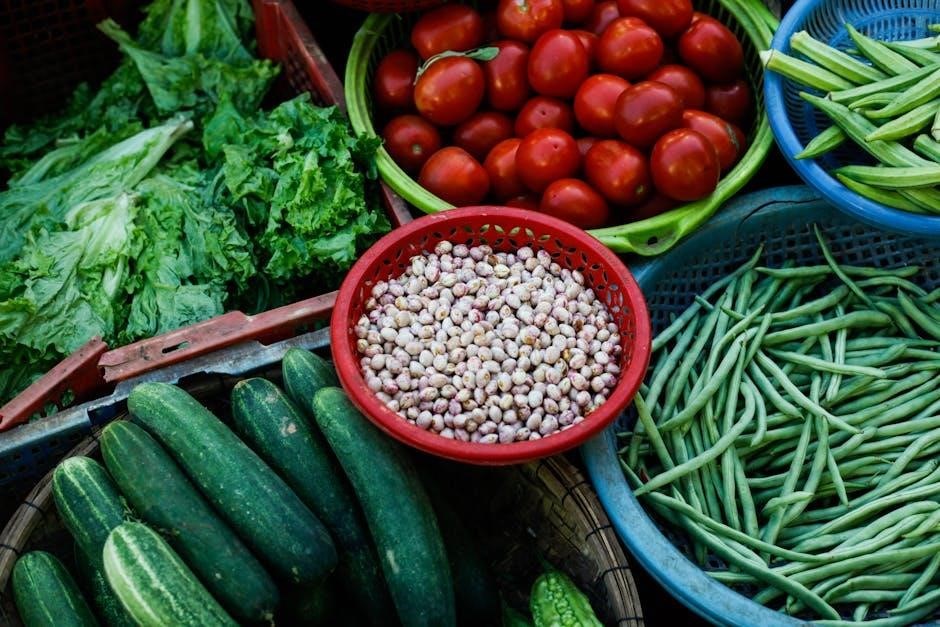
Beyond their GI benefits, legumes are rich in protein, iron, and other essential nutrients․ They offer a plant-based protein alternative, supporting muscle health and overall well-being;
Incorporating legumes into your diet is both affordable and versatile, lending themselves to soups, stews, salads, and more․
Nuts & Seeds
Nuts and seeds are nutritional powerhouses boasting a remarkably low glycemic index, making them excellent additions to a blood-sugar-friendly diet․ Their combination of healthy fats, protein, and fiber slows down carbohydrate absorption, preventing rapid glucose spikes․ This characteristic is crucial for maintaining stable energy levels and supporting metabolic health․
From almonds and walnuts to chia seeds and flaxseeds, the variety is vast, offering diverse flavors and textures․ They provide essential fatty acids, vitamins, and minerals, contributing to heart health and overall well-being․
Enjoy them as snacks, sprinkled on salads, or incorporated into meals for a satisfying and nutritious boost․
Healthy Fats (Avocado, Olive Oil)
Healthy fats, such as those found in avocados and olive oil, have a minimal impact on the glycemic index, making them valuable components of a balanced diet․ Unlike carbohydrates, fats do not directly raise blood glucose levels, contributing to stable energy and improved insulin sensitivity․
Avocados, rich in monounsaturated fats and fiber, offer a creamy texture and versatile culinary applications․ Olive oil, a cornerstone of the Mediterranean diet, provides heart-healthy fats and antioxidants․
Incorporating these fats into meals can enhance satiety, support nutrient absorption, and promote overall health․ They are essential for hormone production and cellular function, contributing to long-term well-being․
Resources for Further Information
Explore detailed glycemic index and load values via international tables and the Linus Pauling Institute․ Access comprehensive data for informed dietary choices․
International Tables of Glycemic Index and Glycemic Load Values
Extensive databases cataloging the glycemic impact of numerous foods are readily available for public access․ These tables, such as those published in 2008 via PMC, contain entries for over 2,487 foods, meticulously compiled from 205 separate studies․
Common staples like white bread, cornflakes, various rice types, oranges, corn, apple juice, sucrose, and milk are included in these analyses․ Researchers utilize a standardized methodology, comparing the effect of 50 grams of carbohydrate from a test food against a control food (typically white bread or glucose)․
These resources, often accessible online via DOI links (e․g․, http://dx․doi․org/10․2337/dc08-1239), provide invaluable data for individuals seeking to manage their blood sugar levels through dietary adjustments․
Linus Pauling Institute – Glycemic Index Information

The Linus Pauling Institute at Oregon State University offers a wealth of information regarding the glycemic index (GI) and its implications for health․ Their research clarifies that intermediate-GI foods fall within a range of 56 to 69, providing a crucial benchmark for dietary planning․
The Institute details the methodology used to determine GI values, involving controlled studies with human volunteers․ Participants consume 50 grams of carbohydrate from a test food and a control food (white bread or glucose) on separate occasions․
This comparative analysis allows for accurate GI assignment, aiding individuals in making informed food choices to manage blood glucose levels effectively․ Their resources are invaluable for understanding the nuances of carbohydrate metabolism and its impact on overall well-being․