
Article Plan: Tennessee Whiskey Lyrics and Chords PDF
This article details accessing lyrics and chords for “Tennessee Whiskey‚” exploring its musical roots within Tennessee’s rich country music and distilling heritage․
“Tennessee Whiskey‚” a modern country standard‚ embodies the spirit of Tennessee itself – a blend of soulful music‚ rugged landscapes‚ and a celebrated distilling tradition․ The song’s enduring appeal stems from its relatable themes of love‚ longing‚ and finding solace‚ mirroring the emotional depth often found within classic country narratives․ Tennessee‚ home to musical meccas like Nashville and Memphis‚ alongside iconic brands like Jack Daniel’s‚ provides the perfect backdrop for this evocative tune․
The cultural significance extends beyond entertainment; it’s a sonic representation of the state’s identity․ From the Great Smoky Mountains to the vibrant city life‚ Tennessee’s diverse character resonates within the song’s lyrics and melody․ Understanding this context enhances appreciation for both the music and the region it celebrates‚ making the pursuit of accurate lyrics and chords a gateway to a deeper cultural connection․
The Song “Tennessee Whiskey” ⎼ A Brief History
Originally penned by Dean Dillon and Linda Hargrove‚ “Tennessee Whiskey” first gained recognition through George Jones’ 1983 recording․ However‚ it remained a relatively obscure track until Chris Stapleton’s powerful rendition revitalized it in 2015․ Stapleton’s version‚ featured on his album Traveller‚ catapulted the song to mainstream success‚ earning numerous awards and solidifying its place in country music history․
The song’s journey highlights the cyclical nature of musical appreciation․ While Jones’ initial recording showcased the song’s inherent quality‚ Stapleton’s interpretation resonated with a new generation‚ proving its timeless appeal․ The renewed interest sparked a demand for accurate lyrics and chords‚ allowing musicians and fans alike to connect with the song on a deeper level․ This resurgence underscores the song’s enduring power and its continued relevance within the country music landscape․
Chris Stapleton’s Version: Popularity and Impact
Chris Stapleton’s 2015 recording of “Tennessee Whiskey” dramatically reshaped the song’s trajectory‚ transforming it from a country classic into a cross-genre phenomenon․ His soulful vocals and emotive delivery captivated audiences‚ propelling the track to the top of the charts and earning widespread critical acclaim․ The song’s success significantly boosted Stapleton’s career‚ establishing him as a leading figure in contemporary country music․

This renewed popularity fueled an increased demand for accessible lyrics and chord charts․ Musicians eager to emulate Stapleton’s style‚ and fans wanting to play along‚ actively sought reliable resources․ Online platforms and chord books experienced a surge in searches for “Tennessee Whiskey” chords‚ demonstrating the song’s cultural impact and its enduring appeal to both performers and listeners․ The song’s influence continues to grow‚ inspiring countless covers and interpretations․

Original Version by George Jones: Historical Context
George Jones first recorded “Tennessee Whiskey” in 1969‚ though it didn’t achieve immediate widespread recognition․ Written by Dean Dillon‚ the song initially languished‚ overshadowed by other hits of the era․ However‚ it became a staple in Jones’ live performances and gained a devoted following among country music purists․ Its initial release predates the widespread availability of easily accessible chord charts and lyrics‚ relying more on ear-training and word-of-mouth transmission among musicians․
The song’s understated arrangement and Jones’ signature emotive vocals established a foundation for future interpretations․ While not a chart-topper upon release‚ its enduring quality ensured its survival within the country music canon․ The demand for accurate transcriptions of the original arrangement grew slowly over decades‚ eventually exploding with Stapleton’s revival‚ prompting a renewed interest in Jones’ version and its historical significance․
Decoding the Lyrics: Themes and Meaning
“Tennessee Whiskey” delves into the complexities of love‚ longing‚ and the search for solace․ The lyrics portray a speaker consumed by desire‚ comparing the intoxicating effect of his beloved to the smooth warmth of Tennessee whiskey․ This isn’t simply about alcohol; it’s a metaphor for a powerful‚ addictive connection that provides temporary escape from emotional pain․ The song explores the bittersweet nature of yearning – the comfort found in remembering a lost or unattainable love․
The repetition of the “Tennessee whiskey” refrain emphasizes the all-consuming nature of this feeling․ It suggests a dependence‚ a need for something to numb the ache of loneliness․ The lyrics are deceptively simple‚ yet resonate deeply due to their universal themes of heartbreak and the human desire for connection․ Understanding these themes enhances appreciation when learning the chords and lyrics․
Love and Longing in the Lyrics
The core of “Tennessee Whiskey” lies in its raw depiction of love and the ache of longing․ The narrator isn’t celebrating a joyful romance; instead‚ he’s grappling with a desire that’s both comforting and agonizing․ The lyrics convey a sense of vulnerability‚ admitting to being utterly captivated and perhaps even consumed by this affection․ This isn’t a boastful declaration‚ but a heartfelt confession of dependence․
The song’s power stems from its relatable portrayal of emotional vulnerability․ Many listeners connect with the feeling of wanting someone so intensely that it feels like a physical need․ The lyrics subtly hint at a past relationship or an unrequited love‚ fueling the sense of longing․ When approaching the chords and learning the song‚ recognizing this emotional core deepens the performance․
The Whiskey as a Metaphor
Throughout “Tennessee Whiskey‚” the titular spirit isn’t merely a beverage; it functions as a potent metaphor for the intoxicating and consuming nature of love․ Just as whiskey warms the body and alters perception‚ the narrator’s affection profoundly impacts his emotional state․ The smoothness and burn of the whiskey mirror the bittersweet experience of love – pleasurable yet capable of causing pain․
The comparison suggests that this love is a strong‚ almost addictive force‚ offering temporary solace but ultimately leaving a lingering desire for more․ The lyrics cleverly equate the feeling of being “sipped slow” to the gradual‚ all-encompassing way love takes hold․ Understanding this metaphor enhances the song’s depth‚ informing both lyrical interpretation and musical expression when learning the chords․
Chord Progression Analysis
“Tennessee Whiskey” primarily revolves around a relatively simple‚ yet emotionally resonant‚ chord progression․ The song is largely built upon variations of the I-IV-V progression‚ common in country and blues music․ Typically‚ this translates to G‚ C‚ and D chords in the key of G major‚ forming the harmonic foundation for much of the song․ However‚ Stapleton frequently incorporates passing chords and subtle alterations to add color and depth․
These variations often include Em (E minor) and Am (A minor)‚ creating a melancholic undertone that complements the lyrical themes․ Analyzing these chord changes reveals a masterful use of tension and release‚ mirroring the emotional arc of the song․ Understanding this progression is crucial for accurately learning and performing the song‚ whether using standard chords or exploring more advanced voicings․
Key and Time Signature
“Tennessee Whiskey‚” as popularized by Chris Stapleton‚ is predominantly performed in the key of G major․ This key suits Stapleton’s vocal range and lends itself well to the song’s soulful‚ blues-infused country sound․ While transposing is possible for different vocalists‚ G major remains the most recognizable and frequently utilized key for performances and chord charts․
The time signature is a straightforward 4/4‚ also known as common time․ This provides a steady‚ predictable rhythm that allows the emotional weight of the lyrics and melody to take center stage․ The consistent 4/4 time signature contributes to the song’s accessibility and makes it relatively easy to learn for guitarists and other musicians․ Understanding both the key and time signature is fundamental before attempting to learn the chords or fingerpicking patterns․
Common Chord Variations
While the basic chord progression of “Tennessee Whiskey” centers around G‚ C‚ and D‚ many guitarists incorporate variations for added color and depth․ A common substitution is Gmaj7 for G‚ lending a jazzier‚ more sophisticated tone․ Similarly‚ Cmaj7 can replace C‚ enhancing the harmonic richness․ Players often utilize a Dsus4 chord briefly before resolving to D‚ creating a subtle tension and release․
Adding a G/B (G chord with B in the bass) provides a smoother bass line movement․ Experienced players might also experiment with adding 7ths or 9ths to the chords‚ or employing inversions to create different voicings․ These variations aren’t essential for beginners‚ but they offer opportunities for more advanced musicians to personalize their rendition of this classic song and explore its harmonic possibilities․
Simplified Chords for Beginners
For those new to guitar‚ “Tennessee Whiskey” can seem daunting‚ but simplified chord versions make it accessible․ The core progression – G‚ C‚ and D – can be played using basic open chord shapes․ Focus on cleanly transitioning between these three chords․ Avoid barre chords initially; stick to the standard open G‚ C‚ and D forms․ Many online resources offer diagrams specifically designed for beginners learning this song․
Consider using a simplified C chord (x32010) if the full version feels challenging․ Practice slow‚ deliberate changes‚ prioritizing accuracy over speed․ Don’t be afraid to use a capo (explained later) to further simplify the shapes․ Mastering these basic chords will provide a solid foundation for learning more complex variations later on‚ allowing you to enjoy playing this beloved tune․

Intermediate Chord Voicings & Techniques
Once comfortable with basic chords‚ explore richer voicings for “Tennessee Whiskey․” Adding a G/B (x20033) between G and C creates a smoother bass line․ Experiment with Cadd9 (x32033) instead of C for a more nuanced sound․ Incorporate hammer-ons and pull-offs within the chord changes to add subtle embellishments․ Learning to fingerpick arpeggiated patterns within the chords enhances the song’s emotional depth․
Try adding a subtle sus4 to the G chord (Gadd4 ─ xx0233) for a momentary lift․ Mastering partial chords – playing only the essential notes of a chord – can create a lighter texture․ Focus on clean transitions and consistent dynamics․ These techniques elevate the performance beyond simple strumming‚ capturing the song’s soulful essence and showcasing greater guitar proficiency․
Fingerpicking Patterns for “Tennessee Whiskey”
“Tennessee Whiskey” lends itself beautifully to fingerpicking․ A common pattern utilizes the thumb on the root note of each chord‚ index finger on the G string‚ middle finger on the B string‚ and ring finger on the high E string․ Experiment with alternating bass patterns – thumb alternating between the root and fifth of the chord – for a fuller sound․
Try a Travis picking style‚ incorporating syncopated rhythms and muted strings․ Focus on maintaining a consistent tempo and dynamic control․ Explore arpeggiating the chords‚ picking individual notes in a flowing sequence․ Adding hammer-ons and pull-offs within the fingerpicked patterns adds complexity and emotion․ Mastering these techniques transforms the song into a delicate and intimate performance‚ highlighting its lyrical depth․

Strumming Patterns for Different Styles
“Tennessee Whiskey” adapts well to various strumming styles․ A basic down-down-up-down-up pattern provides a solid foundation‚ emphasizing the song’s soulful rhythm․ For a more pronounced country feel‚ incorporate a down-up-down-up strum with a slight emphasis on the downbeats․ Experiment with adding a muted strum on the off-beats for a percussive element․
To achieve a bluesier vibe‚ utilize a slower‚ more deliberate strumming pattern‚ focusing on chord changes and dynamics․ Consider adding a shuffle rhythm‚ emphasizing the first and third beats․ Varying the strumming intensity throughout the song creates emotional depth․ Ultimately‚ the best pattern depends on your personal interpretation and desired stylistic approach‚ enhancing the song’s inherent emotional resonance․
Finding Reliable “Tennessee Whiskey” Chords PDF Resources
Locating accurate “Tennessee Whiskey” chords in PDF format requires discerning sources․ Numerous websites offer chord charts‚ but quality varies․ Ultimate-Guitar․com and Chordify are popular starting points‚ providing user-submitted tabs and chord diagrams․ However‚ always cross-reference with multiple sources to ensure accuracy‚ as errors can occur․
For more polished and verified resources‚ consider paid options like chord books specifically dedicated to country music or online lesson platforms such as TrueFire or Fender Play; These often feature professionally transcribed chords and instructional videos․ Beware of sites offering overly simplified or incomplete versions․ Prioritize PDFs from reputable music education websites or established artists’ official resources for the most reliable learning experience․
Websites Offering Free Chord Charts
Several websites provide free chord charts for “Tennessee Whiskey‚” catering to various skill levels․ Ultimate-Guitar․com boasts a large community-driven database with multiple versions‚ offering diverse interpretations and user ratings․ Chordify automatically generates chords from YouTube videos‚ providing a quick‚ albeit sometimes imperfect‚ transcription․ AZ Chords and Guitar Tabs are also valuable resources‚ though accuracy should be verified․
Countrytabs․com focuses specifically on country music‚ increasing the likelihood of finding reliable charts․ Remember to compare different versions‚ as discrepancies are common․ User comments often highlight errors or suggest improvements․ While convenient‚ free resources may lack professional verification; always double-check against trusted sources or recordings․
Paid Resources: Chord Books & Online Lessons
For more accurate and professionally-arranged charts‚ consider paid resources․ Hal Leonard publishes numerous chord songbooks featuring popular country artists‚ often including “Tennessee Whiskey” with verified transcriptions․ Musicnotes․com offers downloadable sheet music and chords‚ providing a clean and legible format․ Online lesson platforms like Fender Play or TrueFire may include dedicated tutorials covering the song‚ offering chord breakdowns and playing techniques․
Investing in these resources ensures higher quality and often includes additional learning materials like tablature and instructional videos․ While a greater expense‚ the accuracy and comprehensive approach can significantly benefit learning․ These platforms frequently offer trial periods‚ allowing assessment before committing to a subscription․
Transposing the Song to Different Keys
“Tennessee Whiskey” is commonly played in the key of E minor‚ but vocal range or instrumental limitations may necessitate transposition․ Transposing involves shifting all chords up or down by the same interval․ For example‚ moving to D minor lowers each chord by one fret․ Online chord transposer tools simplify this process‚ automatically converting chords to a new key․
Understanding basic music theory helps with manual transposition․ Remember to maintain the original chord relationships – major‚ minor‚ dominant 7th – during the shift․ Websites offering chord charts often include transposition features․ Utilizing a capo (discussed elsewhere) offers an alternative to changing chord fingerings entirely‚ effectively transposing the song without altering the shapes․

Playing with a Capo: Simplifying Chord Shapes
A capo effectively shortens the guitar’s scale length‚ raising the pitch of all strings․ For “Tennessee Whiskey‚” using a capo can simplify challenging chord shapes‚ particularly for beginners․ Placing a capo on the 2nd fret‚ for instance‚ allows playing the song using chords relative to the key of D minor‚ while still sounding in E minor․
This method avoids barre chords or complex fingerings․ Experiment with different capo positions to find one that suits your vocal range and playing comfort․ Remember that the capo changes the key‚ so chord charts must be adjusted accordingly․ Online resources often provide capo-friendly chord diagrams․ It’s a versatile tool for adapting the song to various skill levels․
Tennessee’s Musical Heritage: Country & Whiskey Connection
Tennessee’s identity is deeply interwoven with both country music and whiskey distilling‚ creating a unique cultural landscape․ Nashville‚ the state capital‚ is globally recognized as a cornerstone of country music‚ having fostered legends like Johnny Cash and countless others․ This musical heritage provides the backdrop for songs like “Tennessee Whiskey‚” resonating with the state’s spirit․
Simultaneously‚ Tennessee boasts a long history of whiskey production‚ most notably with Jack Daniel’s‚ originating in Lynchburg․ The state’s favorable climate and water sources contribute to the distinctive character of Tennessee whiskey․ This connection between music and whiskey is palpable‚ often appearing as lyrical themes and cultural symbols‚ enriching the song’s narrative and appeal․
Nashville’s Role in Country Music
Nashville’s dominance in country music is undeniable‚ earning it the nickname “Music City․” The city’s infrastructure – recording studios‚ publishing houses‚ and performance venues like the Grand Ole Opry – has nurtured generations of country artists․ This concentrated musical ecosystem fostered a collaborative environment‚ shaping the genre’s evolution and solidifying Nashville’s position as its epicenter․
The city’s influence extends beyond performance; it’s a hub for songwriting‚ attracting talent seeking to craft the next country hit․ This creative energy permeates the culture‚ influencing lyrical themes and musical styles․ “Tennessee Whiskey‚” while not exclusively about Nashville‚ benefits from this environment‚ embodying the sounds and stories deeply rooted in the city’s musical identity and history․
The History of Whiskey Distilling in Tennessee
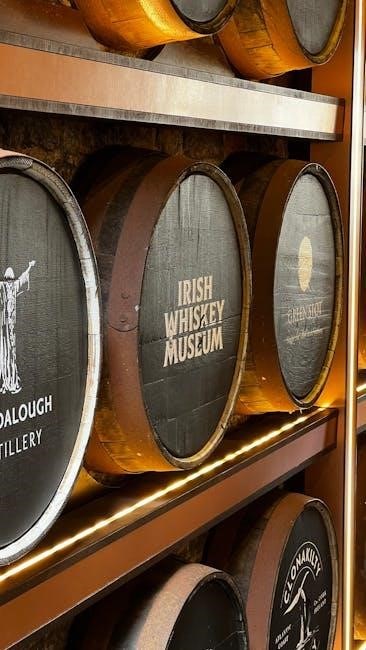
Tennessee’s whiskey distilling history is deeply intertwined with its agricultural roots and the ingenuity of early settlers․ Scotch-Irish immigrants‚ arriving in the 18th century‚ brought their distilling traditions to the region‚ utilizing the abundant corn crops․ Unlike Kentucky bourbon‚ Tennessee whiskey undergoes the “Lincoln County Process” – filtration through sugar maple charcoal – imparting a unique smoothness․
This process‚ and the state’s pristine water sources‚ became hallmarks of Tennessee whiskey production․ While illegal distilling was prevalent initially‚ it evolved into a legitimate industry‚ most famously with Jack Daniel’s establishment in Lynchburg․ The association between Tennessee and whiskey isn’t merely economic; it’s cultural‚ influencing music‚ folklore‚ and the very identity of the state‚ subtly coloring the lyrical landscape of songs like “Tennessee Whiskey․”
Jack Daniel’s & Other Tennessee Whiskey Brands
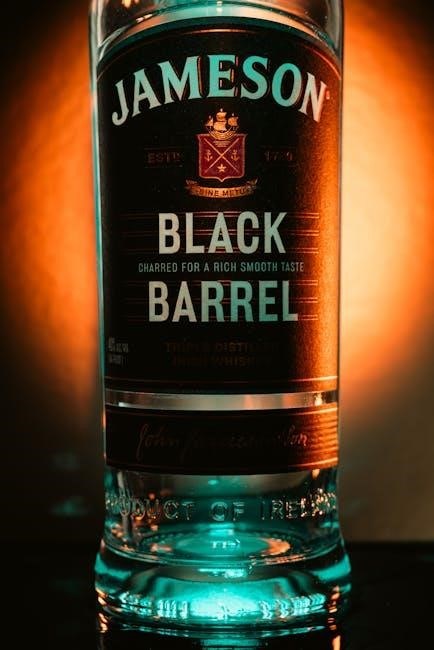
Jack Daniel’s‚ founded in 1866‚ stands as the most globally recognized Tennessee whiskey brand‚ synonymous with the state itself․ Its Old No․ 7 is a benchmark for the style‚ heavily influencing the perception of Tennessee whiskey worldwide․ However‚ the landscape extends far beyond a single distillery․
George Dickel‚ another prominent brand‚ offers a different expression of Tennessee whiskey‚ also employing the Lincoln County Process․ Smaller‚ craft distilleries are also emerging‚ contributing to a diversifying market․ These include brands like Corsair and Nelson’s Green Brier‚ each bringing unique approaches to production and flavor profiles․ The prevalence of these brands within Tennessee’s culture subtly informs the imagery and emotional resonance found within songs like “Tennessee Whiskey‚” representing a shared heritage․
Performing “Tennessee Whiskey” Live: Tips & Tricks
Embrace the Soul: “Tennessee Whiskey” thrives on emotional delivery․ Focus on conveying the song’s longing and vulnerability through your vocals․ Don’t rush the phrasing; allow the lyrics to breathe․ Dynamics are Key: Build intensity gradually‚ particularly during the chorus․ Start softer and build to a powerful climax․
Guitar Work: Nail the fingerpicking or strumming pattern consistently․ A slight variation in rhythm can dramatically alter the feel․ Connect with the Audience: Make eye contact and tell the story․ Simplify if Needed: If the chord voicings are challenging‚ opt for simpler versions to maintain a smooth performance․ Remember‚ authenticity and feeling are more important than technical perfection․

Common Mistakes to Avoid When Playing the Song
Rushing the Tempo: “Tennessee Whiskey” isn’t a fast-paced song․ Resist the urge to speed it up; maintain a relaxed‚ soulful tempo․ Incorrect Chord Changes: Ensure clean transitions between chords‚ especially the B7 to E․ Practice slowly to build muscle memory․ Ignoring Dynamics: Playing everything at the same volume diminishes the song’s emotional impact․ Utilize softer verses and build to a powerful chorus․
Poor Vocal Phrasing: Don’t chop the lyrics; allow them to flow naturally․ Listen to Chris Stapleton’s rendition for phrasing cues․ Overcomplicating Fingerpicking: If you’re new to fingerpicking‚ start with a simplified pattern and gradually add complexity․ Neglecting the Feel: Remember‚ this song is about emotion․ Focus on conveying the longing and vulnerability in the lyrics․
Related Songs & Artists in the Country Genre
Artists with Similar Styles: Fans of Chris Stapleton often enjoy the music of Tyler Childers‚ Sturgill Simpson‚ and Cody Jinks – all known for their soulful vocals and traditional country sound․ Explore artists like Margo Price and Ashley McBryde for powerful female voices within the genre․ Songs with Comparable Themes: “Bluebird” by Miranda Lambert explores similar themes of finding solace in simple pleasures․ “Tin Man” by Miranda Lambert also delves into heartbreak and resilience․
Classic Country Influences: George Jones‚ the original performer of “Tennessee Whiskey‚” heavily influenced countless artists․ Delve into his catalog for a deeper understanding of the song’s roots․ Consider exploring the works of Waylon Jennings and Willie Nelson for outlaw country vibes․ These artists shaped the landscape of country music․
Copyright and Legal Considerations for Chord Distribution
Copyright Protection: “Tennessee Whiskey” lyrics and chord arrangements are protected by copyright law․ Distributing copyrighted material without permission is illegal․ Chord charts created for personal use are generally permissible‚ but public sharing or commercial use requires licensing․ Fair Use Doctrine: Limited use for educational purposes‚ like teaching a music lesson‚ may fall under fair use‚ but this is a complex legal area․
Licensing Requirements: Websites offering chord charts commercially must obtain licenses from the copyright holders (songwriters and publishers)․ Performing the song publicly (e․g․‚ in a bar or concert) requires performance licenses from organizations like ASCAP‚ BMI‚ or SESAC․ Respecting Intellectual Property: Always credit the songwriters and publishers when sharing or using chord charts‚ even for non-commercial purposes․ Prioritize legally obtained resources․
Timeless Resonance: “Tennessee Whiskey” continues captivating audiences due to its heartfelt lyrics‚ Stapleton’s emotive delivery‚ and the song’s connection to Tennessee’s musical soul․ The accessibility of chords and lyrics‚ readily available in PDF format online‚ fuels its popularity among aspiring musicians․
Cultural Significance: The song embodies the spirit of country music‚ blending themes of love‚ longing‚ and the comforting allure of tradition․ Its enduring appeal stems from its relatable narrative and Stapleton’s ability to infuse it with raw emotion․ A Legacy Continues: Whether learned through simplified chords or intricate fingerpicking‚ “Tennessee Whiskey” remains a staple for performers and listeners alike‚ solidifying its place in country music history․